By Neal Freyman
• 3 min read
So far this summer, we’ve seen a mild, if any, impact on prices for goods vulnerable to tariffs.
Chip Somodevilla/Getty Images
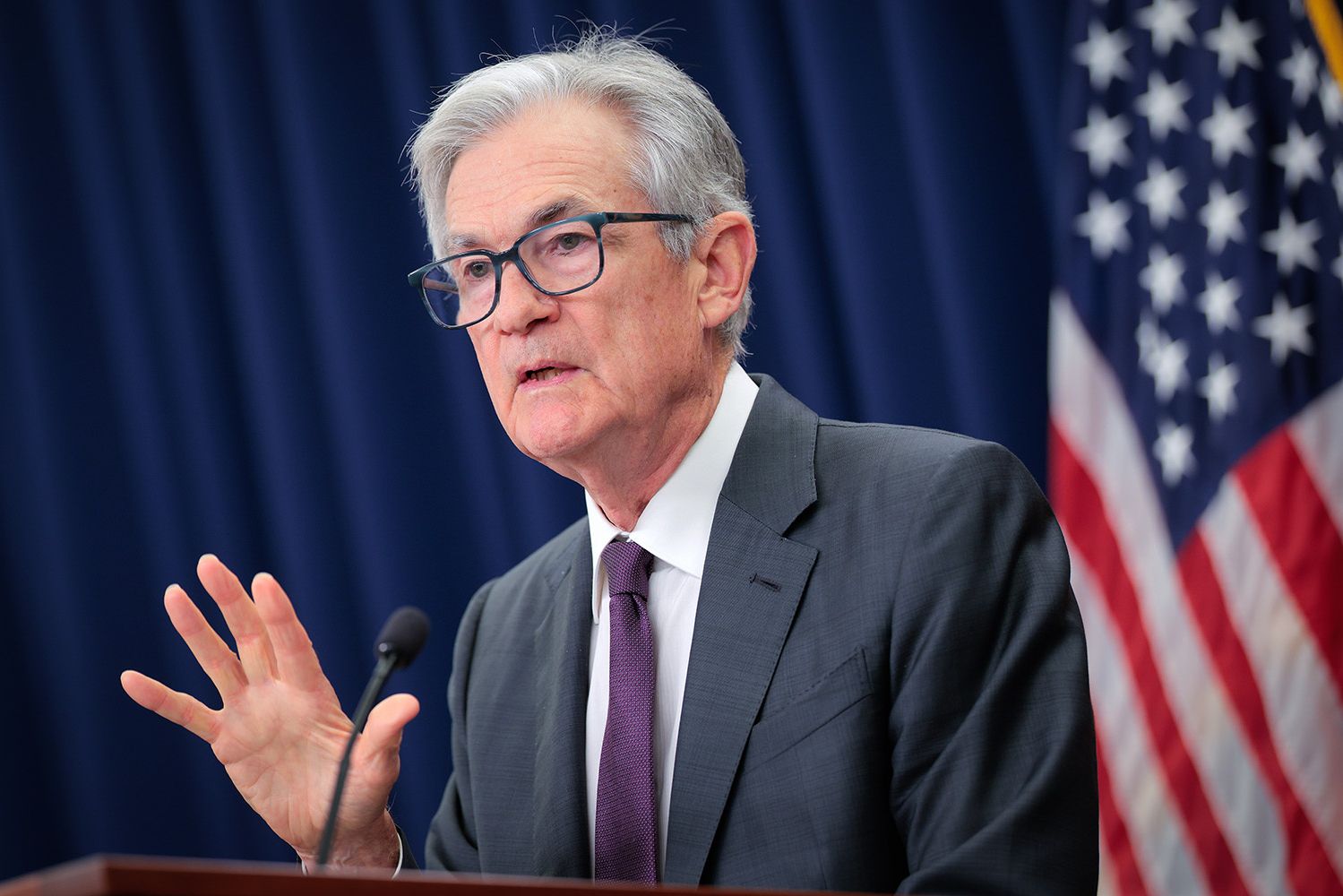
Investors ramped up their bets on Fed Chair Jerome Powell lowering interest rates in September after inflation came in mostly in line with expectations last month.
The numbers: According to July’s Consumer Price Index report, released this morning, US consumer prices rose 2.7% annually and 0.2% from the previous month. That year-over-year growth was the same inflation rate as in June and a hair below expectations of a 2.8% increase. Core CPI, which strips out food and energy, rose 3.1%, a tad above projections of 3%.
Economists have warned that President Trump’s tariffs would force businesses to pass on their added costs to consumers, driving inflation higher. But so far this summer, we’ve seen a mild, if any, impact on prices for goods vulnerable to tariffs.
So what did drive inflation last month? Not goods but services, which (excluding energy) jumped 0.4%, the most since the start of the year.
Jerome Powell’s been waiting for it, that green light, he wants it…and it might have just arrived. The Federal Reserve has kept rates steady this summer over concerns that a rate cut + tariffs combo would push inflation higher.
But after today’s CPI report showed those tariff-related price increases to be subdued (for now), investors increasingly believe Powell will feel comfortable enough to lower interest rates at the Fed’s next meeting in September…especially with the labor market slowing down considerably. Traders are now pricing in more than a 90% chance the Fed cuts rates by a quarter percentage point at the conclusion of its meeting on September 17.
What happens after September is up in the air, since economists still expect tariffs to ultimately push prices higher as companies run out of existing inventory and protect their margins. According to Seema Shah, Chief Global Strategist at Principal Asset Management, “Markets like today’s inflation print as it means the Fed can lower rates unheeded next month—rate cut decisions in October, December and beyond may well be more complicated.”—NF