|
Good afternoon. Yesterday, we wrote about how hot the EPA wants you to be in your own home. But it turns out the summer heat can get you anywhere.
New York City’s Third Avenue Bridge got so hot yesterday that the bridge’s hydraulics overheated, keeping the bridge connecting the Bronx and Manhattan shut down for hours until firefighters could cool the machinery enough that the swing bridge could be closed again.
The 126-year-old bridge is just one of many pieces of American infrastructure nearing the end of its usable lifespan, and with cities creating urban “heat islands” that are hotter than ever, the EPA warns that infrastructure around the country is going to continue to come under increased strain.
Unfortunately, no amount of thermostats turned to 82 at night are going to keep bridges from boiling.
—Mark Reeth & Lucy Brewster
|
|
|
|

|
Nasdaq
|
18,614.08
|
|
|
|
|
S&P
|
5,621.83
|
|
|
|
|
Dow
|
39,564.09
|
|
|

|
10-Year
|
4.280%
|
|
|
|
|
Gold
|
$2,378.10
|
|
|
|
|
Oil
|
$82.34
|
|
|
| Data is provided by |

|
*Stock data as of market close.
Here's what these numbers mean.
|
- The S&P 500 rose above 5,600 for the first time ever, only a few short days after breaking above 5,500, with the index hitting a new record for the last seven straight trading sessions. The Nasdaq enjoyed a solid day as well thanks to strong performances by tech stocks, while even the Dow got in on the action and ended the session in the green.
- Bond yields stayed almost right where they’ve been all week as investors hold their breath ahead of tomorrow’s key CPI reading.
- Gold rose as investors hope for a strong CPI report to point the Fed toward more rate cuts, while oil rose as well thanks to a stronger-than-expected outlook on global demand from OPEC.
|
|
|
|
Illustration: Anna Kim, Photo: Getty Images
|
Bad news for everyone who counts caffeine as the only thing that gets you out of bed in the morning: The price of some strains of coffee beans hit a two-year high on Tuesday.
Arabica coffee futures are up roughly 30% year to date due to supply chain shortages, while robusta coffee futures, a cheaper alternative used by Starbucks and Nespresso, are up 65% over the past 12 months.
What’s driving the price spike? Weather disruptions, such as poor rainfall in countries that grow the majority of coffee beans—mainly Vietnam and Brazil—has led to the widespread death of coffee plants and smaller harvests.
This is all happening at the same time as a rise in international demand for coffee in markets like China, and roasters are increasingly looking toward the cheaper robusta bean variety to cut costs.
And the shortage will likely keep driving prices higher into 2025, according to Bloomberg. Some roasters are paying over $1,000 higher than futures prices for beans grown in Vietnam. Giuseppe Lavazza, the chief executive at coffee roaster Lavazza, said in an interview with Bloomberg that he’s, “Never seen something like that in the history of our industry.”
A number of agricultural commodities have had their supply chains disrupted due to climate change this year. Earlier this year, cocoa prices were also on a tear due to supply chain disruptions, and US cocoa futures are overall up about 150% over the past year.
And cocoa won’t be the last commodity to feel the squeeze. Research from accounting firm PricewaterhouseCoopers pointed to nine key commodities that will continue to face climate change-driven heat stress, including agricultural products like wheat, as well as precious metals such as lithium and aluminum.
While there used to be pure-play coffee exchange traded products, two of them, JO and CAFE, liquidated in past years. So for investors not steeped in the commodities trade, these latest gains can be hard to get.—LB
|
|
|
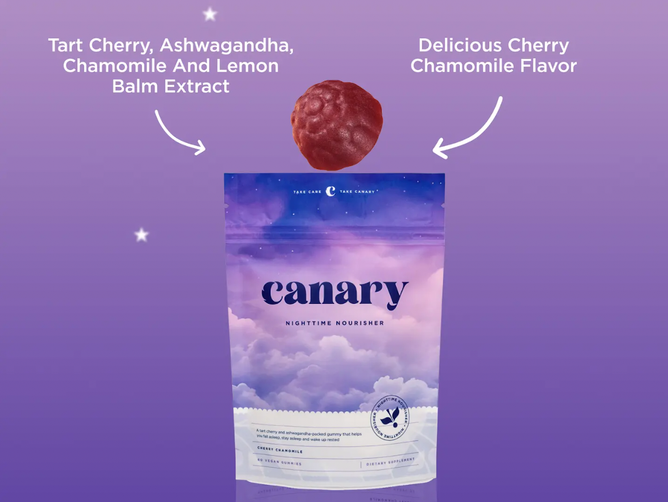
Inflammation doesn’t stand a chance against The Trailblazer. The Swift Soother soars at providing speedy pain relief while the Nighttime Nourisher’s tart cherry and ashwagandha extract also reduce inflammation in the body (in addition to restoring rest). Whether you’re catching zzz’s or conquering the day, these two gummies will work together to provide calm and comfort so you can take on what’s next.
Buy yours today.
|
|
Stocktwits via x
|
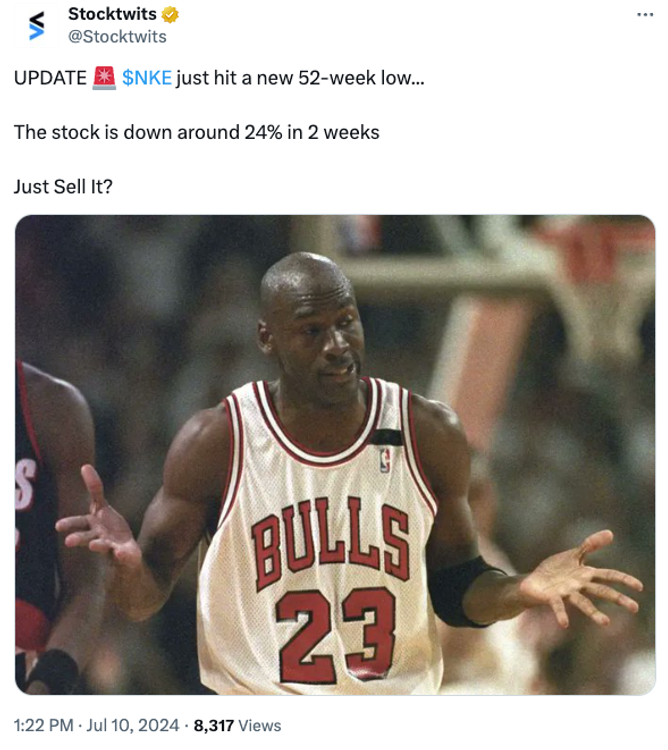
Nike shares are down over 32% in 2024 as the one-time footwear champ has been caught with its shoes untied.
The company had a chance to arrest its decline when it released earnings late last month. Instead, Nike shares sank 20% in a single trading session after it missed expectations and lowered guidance—and they haven’t stopped falling since, hitting a new 52-week low this afternoon.
The question now is if this means Nike is a value investment, or if investors should stay away. The company whiffed on the growth of running clubs around the US, and its younger, hotter competitors are gleefully eating into its market, so the company clearly needs to do some sole searching.
|
|
🟢 What’s up
-
Taiwan Semiconductor rose 3.54% after it reported that its June revenue fell 10% month over month, but its sales rose roughly 33% year over year.
-
Advanced Micro Devices popped 3.87% on the news it is acquiring Silo AI, the largest private artificial intelligence lab in Europe, for $665 million.
-
Carvana drove 4.21% higher after Needham analysts upgraded the stock from “hold” to “buy” due in part to new features at checkout highlighting EVs. Competitor CarMax jumped 6.42% in sympathy.
-
Aehr Test Systems rocketed 24.01% after the semiconductor testing equipment maker raised earnings guidance thanks to strong AI demand.
-
Smart Global Holdings rose 26.27% thanks to earnings that beat Wall Street expectations in the third quarter and a strong outlook for the rest of the year.
 What’s down What’s down
-
LegalZoom plummeted 25.35% to a new all-time low after the company cut its outlook and its CEO stepped down.
-
HubSpot sank 12.24% on a report that Alphabet is no longer interested in acquiring the company.
-
Intuit dropped 2.57% on the news that the tax prep company is cutting 10% of its workforce.
-
Deckers Outdoor fell 4.86% after M Science analysts published a note cautioning that sales for key brands UGG and HOKA fell in June.
-
Ziff Davis fell 10.32% after the digital media company tried to get ahead of the bad news and pre-announced that second-quarter earnings will fall below analyst expectations.
-
Fast-casual restaurant stocks continued to sink today as investors grow more concerned about lower consumer spending and higher valuations. CAVA Group fell 5.47%, Sweetgreen dropped 1.72%, and Dutch Bros fell 4.34%.
|
|
rudisill/Getty Images
|
If 2023 was the year of AI hype, and 2024 is the year of investors writing blank checks in the name of AI innovation, 2025 has been dubbed by one top VC firm as the “Year of the Data Center.”
Trends in the private market can be a canary in the coal mine for what could come next for public markets. And Sequoia, the venture capital giant that has backed companies like Nvidia, Reddit, and Apple, has provided a preview of how AI will transform the energy ecosystem.
The firm’s latest AI report, authored by Sequoia partner David Cahn, explained how, “We are on the cusp of transitioning from a hype cycle into an industrial-driven build cycle.”
Cahn argued that while AI software and semiconductor chips have received the majority of the attention so far, the AI industry is ready for its next step forward as big tech companies prepare to build costly and energy-intensive AI infrastructure.
The “AI Factory”
As of now, the leaders of building the industrial machines powering AI will be big tech companies, according to Cahn. Amazon, for example, has pledged $100 to $150 billion over the next 15 years to build and operate new data centers, while Microsoft, Google, and Meta are also rolling out a number of new data center projects.
“With the Magnificent 7 now representing approximately 30% of the S&P 500, the scale and speed at which they can deploy capital is awesome,” Cahn wrote.
But the new projects will come with challenges. Building out data centers is no easy feat, and generating enough power will also be a key hurdle. The utilities sector has already seen a boom from energy demand for running AI software, and that trend is on track to continue. “Expect to see a lot of headlines in 2025 about data center construction delays,” Cahn wrote. “Also expect to see some big, unexpected successes.”
With so much money pouring into powering AI, there’s plenty of opportunity to be had for savvy investors who are looking ahead. “In contrast to the big technical unknowns about the future of AI, there is a glimmer of clarity here: we can begin to plan for a 2-3 year period of industrial scaling,” he wrote. The AI industry is transitioning from “abstract” growth to “shovels hitting the ground,” he added.
The investors who can position themselves appropriately stand to benefit the most as AI growth evolves away from tech and to the industrial sector. “The AI industrial phase should have a real economic stimulus effect, especially in areas of the economy that badly need it. Beneficiaries will include component makers in the industrial supply chain, energy companies building new generation assets like solar and wind, nuclear reactor operators and many others,” Cahn wrote.—LB
|
|
|
Introducing MoneyWise with Sam Parr. Join My First Million host Sam Parr as he interviews high-net-worth guests on his brand-new podcast, MoneyWise. In each episode, Sam digs into his guest’s personal finances and lifestyle, getting radically transparent about things like burn rates, portfolios, and spending habits. Listen now.
|
|
-
People have always wondered what stocks they should invest in, but the real question is if there are any stocks worth investing in.
-
Big banks report earnings on Friday, and usually investors hedge their bets against the quarterly results disappointing Wall Street. But this time around, investors are unusually confident.
-
An under-the-radar stock is helping a handful of small-cap funds beat the S&P 500: FTAI Aviation (FTAI) is up 199% in 2024 and no one is talking about it.
-
Microsoft (MSFT) just gave up its seat on the board of OpenAI, shaking up the world of artificial intelligence and highlighting the growing threat of antitrust regulation.
-
Talk about a slow month: Boeing (BA) sold a mere three 737 Max jets in June, underlining the company’s struggles as it continues to do damage control.
-
Bill Ackman is hitting the road to raise funds for his new fund.
|
|
|
Tomorrow’s the big day: The Consumer Price Index, or CPI, measures how much the price of goods and services changes over time. It’s one of the clearest indicators of inflation, particularly Core CPI, the Fed’s favored metric, which cuts out volatile food and energy prices from the equation.
May CPI came in unchanged month-over-month, below expectations of a 0.1% increase, while Core CPI rose just 0.2%, under the 0.3% economists expected. It was a surprisingly good reading after the first quarter brought surprisingly hot CPI reports, and Wall Street is hoping for more of the same in June. Consensus is for CPI to increase 0.1% month-over-month, with Core CPI up 0.2% since May.
If the pros are proven correct, that would bring the inflation rate down from 3.3% to 3.1% year over year. That’s well below the peak of 9.1% from back in 2022, and would go a long way to give the Federal Reserve the confidence it needs to make rate cuts this year.
|
|
Francis Scialabba
|
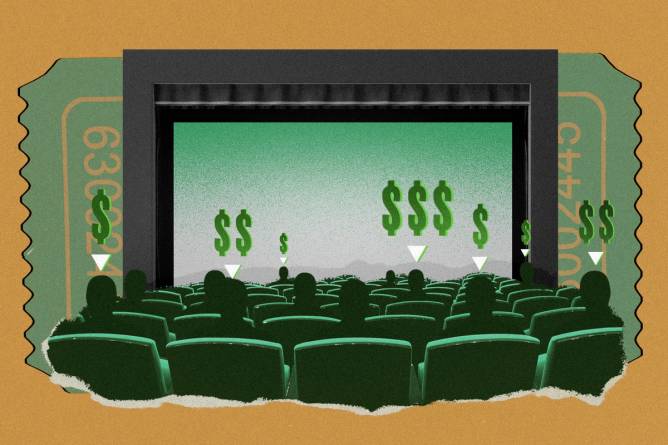
As our esteemed colleagues at Morning Brew pointed out this morning, there’s a number of movies hitting the big screen soon whose titles you may find recognizable.
The Devil Wears Prada 2. Practical Magic 2. Gladiator 2. Moana 2. Sonic the Hedgehog 3. Despicable Me 4. Shrek 5. Beetlejuice Beetlejuice. Twisters.
For God’s sake, they made a Beverly Hills Cop 4 this year.
What do all of these movies have in common? First, no one was asking for them to be made. Second, they’re all sequels—and in Hollywood, sequels are where the money is.
Sequels are a sure thing for studios that have grown more loss-averse since the pandemic and recent Hollywood guild strikes, with audiences theoretically already built in. Plus, we’re all struggling under the weight of our multiple streaming services, and with more ways to watch comes a higher demand for content—and sequels can fill that gap. And of course, any chance to get a sweaty, shirtless Paul Mescal in a gladiatorial arena should be taken.
According to Yahoo Finance, the 10 best-performing movies of any given year drive the entire industry, so there’s an incentive for Hollywood to focus on old reliables instead of new concepts. But rather than sequels, we’d prefer to see more “Barbenheimer” double features. The next portmanteau is coming to a theater near you this fall: Gladiator 2 + Wicked = “Glicked.”—MR
|
|
ADVERTISE
//
CAREERS
//
SHOP
//
FAQ
Update your email preferences or unsubscribe
.
View our privacy policy
.
Copyright ©
2024
Morning Brew. All rights reserved.
22 W 19th St, 4th Floor, New York, NY 10011
|
|